

Pesticides are chemically formed substances that are used to control pests , insects ,weeds,snails,snugs,fungi,plant diseases. There are various types of pesticides each meant to be effective against specific pests.
Example:
Fungicides – Fungi
Bactericides – Bacteria
Herbicides – Plants
Larvicides – Larvae
Rodenticides – Rodents
Insecticides – Insects
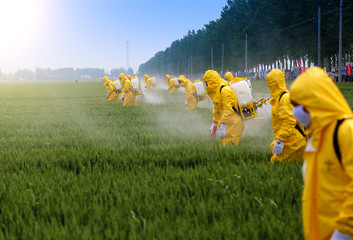
Pesticides are poisonous and can harm more than just the pests, they are toxic and exposure to pesticides can not only cause a number of health effects but also can lead to serious illness and diseases in humans which include respiratory problems to cancer. Pesticides are detrimental for the environment and produce damage to the ecosystems. Pesticides pollute air, water and soil leading to wide range of human health hazards ranging from short term impacts such as headaches and nausea to chronic impacts.
Wildlife can be impacted by pesticides through their direct or indirect application, secondary poisoning, runoff into local water bodies or ground water contamination. It is possible that some animals could be sprayed directly, others consume plants or prey that have been exposed to pesticides.
Pesticides are useful in the prevention of insect damage to crops, garden plants, and buildings, and keeping them out of our homes where they can spread disease and ruin food stored in pantries and bins. Safety is of utmost concern when using these toxic chemicals.
Read and follow all label instructions.Many pest control products have brochures or instruction pamphlets enclosed or attached to their container.
Pesticides are useful in the prevention of insect damage to crops, garden plants, and buildings, and keeping them out of our homes where they can spread disease and ruin food stored in pantries and bins. Safety is of utmost concern when using these toxic chemicals.
The warning label contains specific information about the product skin. Many chemical products may be absorbed through skin. Avoid sparks or open flame. Pesticides are often suspensions in petroleum distillate solvents, which can be highly flammable.
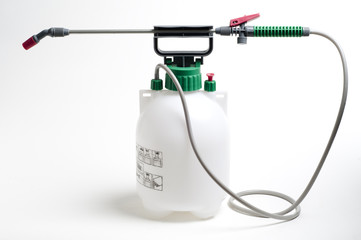
Use only appropriate containers for measuring, mixing, and applying pesticides. Never use food preparation utensils for this purpose.
Wash all equipment after each use.Use copious amounts of water, and do not allow run off from washing to go into waterways. Keep the washing operation away from wells or other drinking water supplies.
Use appropriate safety equipment.
Never smoke, drink, or eat while applying pesticides.
Keep people and animals out of areas treated with insecticides and other chemicals for the period recommended on the product label. If you are using a liquid spray, no one should reenter the area until the product is completely dry.
Be extremely careful applying pesticides in buildings or homes. Use only products specifically labelled for this purpose, and remove any loose items such as clothing, books, and toys prior to applying.
Do not use pesticides after the expiration dates on the package. Chemicals undergo changes over a period of time, and pesticides may become unstable, more toxic, or ineffective after the expiration date listed on the package.
Use pesticides only as recommended by the manufacturer.
Apply pesticides in the early morning or late evening to avoid excessive drift and to prevent exposing beneficial insects like bees and bugs to the effects of them.
Look for the environmentally safe, and less toxic pest control method.