


We are all influenced by our surroundings but the major factor lies how strongly we let it affect our mental health. A peer group is a social group that consists of individuals of the same social status who share similar interests and are close in age. Responding to the peer pressure is a part of human instinct. It is a feeling to do the same thing as other people of social group in order to be liked or respected by them. It is unavoidable and major groups affected are the teenagers. It is a part of person’s routine life. The intensity of peer pressure generally with age and maturity. One of the reasons for this is that teenagers spend majority of their time with their peers than with parents. Trying to fit into a group of peers can increase stress. Poor self esteem is a key factor that leads to destructive behaviours. Peer pressure can occur at all ages.
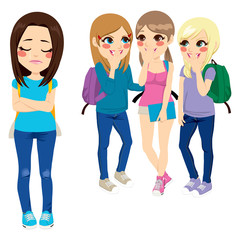
People are influenced by peers because they want to fit in, be like peers they admire, do what others are doing, or have what others have.
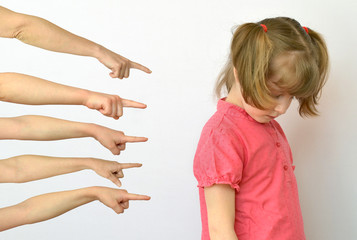
Peer pressure in teenage is harmful because it can lead to teen depression, high stress levels, negative behaviour issues.
People may feel pressure to conform so they fit in or are accepted, or so they don’t feel awkward or uncomfortable. When people are unsure of what to do in a social situation, they naturally look to others for cues about what is and isn’t acceptable.
Examples of peer pressure:
Having unaffordable luxuries because others in peer group have one
Spending lavishly throwing parties
Taking dangerous risks in driving
Consuming alcohol or falling prey to smoking
How to resist peer pressure:
Good communication with parents
Children should have a close relationship with their parents. It helps them to resist peer pressure easily. Have regular conversations with your child. Talk about their day and about yours. Answer questions or help them solve a problem. Stay involved in your child’s daily life.Spend time with your child. Learn about his favorite activities, and his likes and dislikes—and help him learn about yours too. Get to know your children’s friends.
Help your child establish healthy friendships.
Talk to your child about qualities that are important in a friend qualities Give examples of being a good friend and discuss the importance of choosing friends carefully. Encourage positive friendships with play dates.
Encourage healthy activities and hobbies.
Allow your child to pursue their interests. This can boost his self-esteem and help them develop strong, healthy friendships and ultimately enable themto resist peer pressure easier.
Talk to your child about smoking, alcohol and drugs.
Stress the importance of making healthy choices when your child is young. Many experts recommend discussing the dangers of destructive decisions with children before the age of 10. Talk about smoking, alcohol and drug use on TV, in movies, online or in family.
Teach your child to trust her instincts.
If a friend asks your child to do something, encourage them to think for a few minutes before making a decision especially if they feel unsure, uneasy or uncomfortable. Teach her to think ahead and make a list of pros and cons to decide.
Help your child say no and mean it.
It may be easier for your child to resist peer pressure when he can casually reinforce his position with an excuse. For example: “No thank you. I’m training for next week’s big game.” Or, “I can’t even stand the sight of cigarettes—my aunt is fighting lung cancer.”
Count on the support of good friends.
It’s easier to resist peer pressure with the support of friends, so encourage your child to let their friends know and is counting on them to have his too. Encourage them to be a positive influence and a leader rather than a follower whenever possible.