


Most adults, children, and infants can wear glasses.
Glasses provide accurate and predictable vision correction.
Glasses are less expensive than contact lenses or surgery.
If you wear reading glasses, the side effects of not wearing them could include blurriness and distortion. Wearing prescription glasses when you need them will prevent eye strain, headaches, blurry vision, and other discomfort, and anti-reflective and UV coatings will protect your eyes from the sun and glare.
Most people will experience headaches and sore or tired eyes during the first few days. However, as your eye muscles get used to relaxing instead of working so hard to make sense of what you are seeing, the headaches and soreness will disappear.
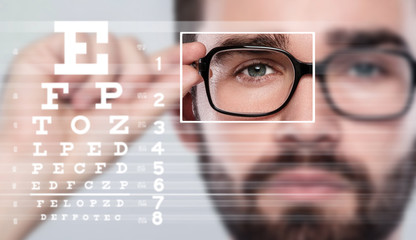
You’ll experience improved eye health.
When you see your ophthalmologist, is he or she wearing contact lenses or glasses? Typically, I notice that they wear glasses. There’s a reason for this fact. They know the risks of contact lens use.
Contact lenses cover the cornea of the eyes, which decreases the oxygen supply. When the oxygen supply is not sufficient from overwear of contact lenses or other factors, such as sleeping in contact lenses, hypoxia can occur which leads to red eyes, discomfort, temporary blurred vision and inflammation. This also increases your chances of getting an eye infection, which can be serious. Sometimes it can lead to vision loss. Moreover, dry eyes frequently occur for those who wear contact lenses.
Wearing glasses frees you from dry eye discomfort that can occur from the frequent use of contact lenses. .
When wearing glasses, your eyes will feel more fresh. Modern eyeglasses with anti-reflective coatings. These coatings provide improved comfort when using computers or other devices for long periods of time by reducing glare. They decrease glare by minimising the light that reflects off the surfaces of your eyeglasses. As an added bonus, they improve night driving by increasing your field of vision and reaction times.

Your optometrist may prescribe eyeglasses after diagnosing a refractive error during a comprehensive eye exam. Your glasses protect your eyes from drying winds, dust, and other foreign particles, which helps reduce your risk of developing eye irritations.
Eyeglasses are the easiest corrective eye wear option to use. This ensures clear eyesight and better visual comfort throughout the day.